Deferred Maintenance vs. Routine Maintenance: What Every CRE Inspector Should Know
Posted On
December 18, 2025
12/18/2025
Published By
SiteSnapped Team
Read Time
6 min read
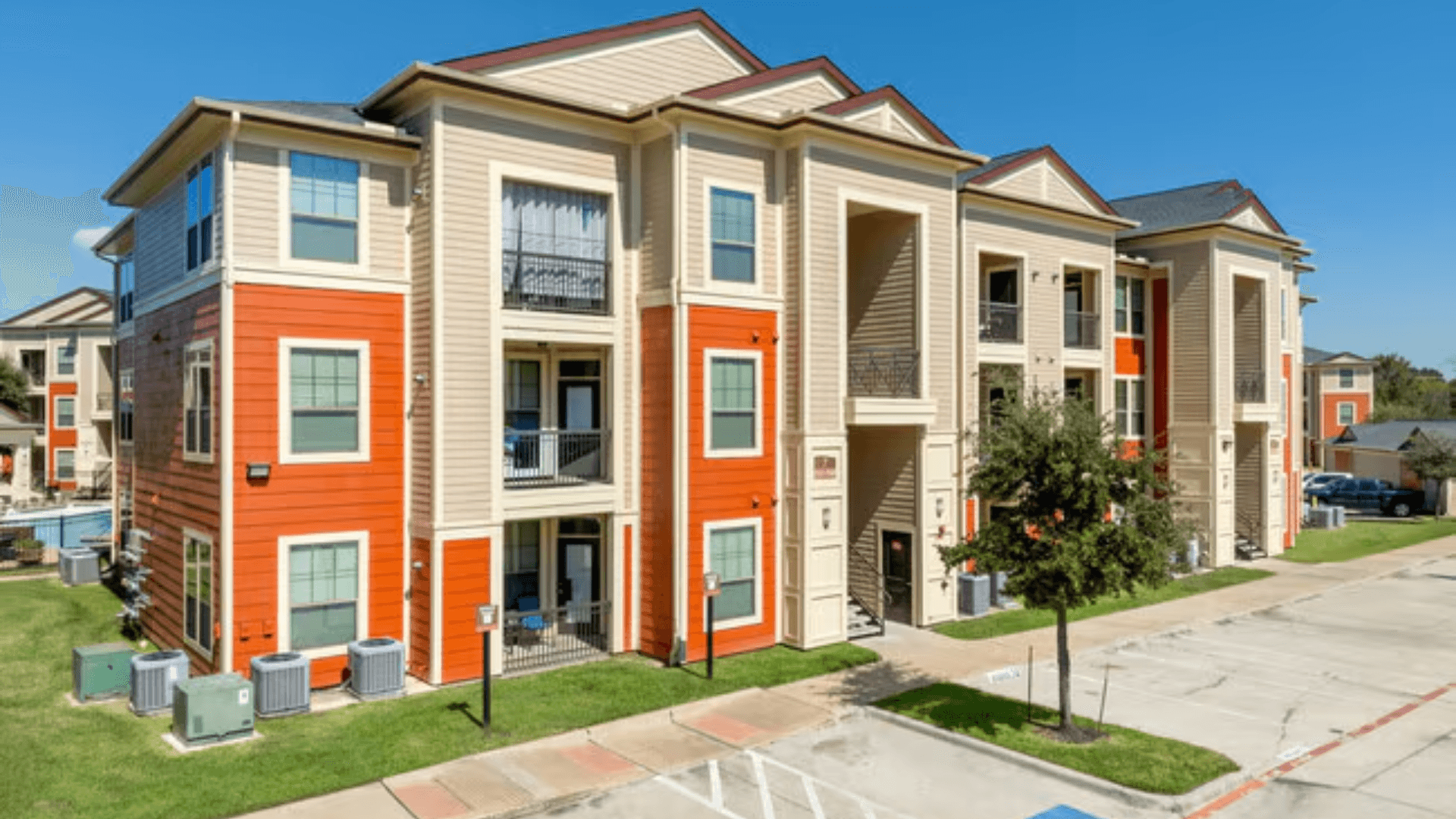
One of the most critical distinctions in commercial real estate property inspections is understanding the difference between deferred maintenance and routine maintenance. This distinction isn't just semantic—it has real financial implications, affects property ratings, and can determine whether a loan remains in good standing or gets flagged for additional oversight.
Defining Routine Maintenance
According to the MBA Property Inspection Reference Guide, routine maintenance encompasses maintenance items that an inspector would reasonably expect to be remedied as part of a property's ongoing maintenance program based on the overall assessment of the property condition.
Characteristics of Routine Maintenance
Expected and Predictable: These are regular, scheduled activities that any property owner should anticipate as part of normal operations. Examples include:
- Seasonal HVAC filter changes
- Landscaping and lawn care
- Regular cleaning of common areas
- Periodic painting of common areas
- Standard pest control services
- Light bulb replacement
Defining Deferred Maintenance
Deferred maintenance is defined as postponed or inadequate performance of repairs, maintenance, or rehabilitation that, as a result, require immediate repair or replacement of physical items to an acceptable condition relative to the age of the system or property.
The Three Categories of Deferred Maintenance
The MBA Inspection Form classifies deferred maintenance into three severity levels:
1. Minor Deferred Maintenance
Issues that will not result in further short-term deterioration or interfere with tenant use, but failure to remedy within a reasonable timeframe may result in long-term deterioration.
2. Major Deferred Maintenance
Issues that will likely result in further deterioration if not immediately remedied and could interfere with tenant use or property habitability.
3. Life Safety Issues
Visually obvious construction or design defects, or deferred maintenance conditions that create potential hazards increasing the possibility of personal injury or death.
The Financial Impact of Misclassification
Why does getting this distinction right matter so much?
Impact on Property Ratings
Deferred maintenance directly affects your overall property rating. A property with significant deferred maintenance issues might warrant a Rating 4, triggering more frequent inspection requirements, servicer intervention, and possible reserve account requirements.
Impact on Asset Value
Deferred maintenance reduces property value in multiple ways:
- Direct repair costs
- Lost rent from down units or tenant dissatisfaction
- Accelerated deterioration of other building systems
- Difficulty refinancing or selling
- Potential liability exposure
The Bottom Line
The distinction between deferred and routine maintenance isn't always black and white, but inspectors who understand the principles can make consistent, defensible classifications that serve their clients well. Remember: context matters, documentation is critical, and when in doubt, err on the side of caution.