The Inspector's Playbook: 15 Tips for Conducting Thorough CRE Property Inspections
Posted On
December 5, 2025
12/05/2025
Published By
SiteSnapped Team
Read Time
7 min read
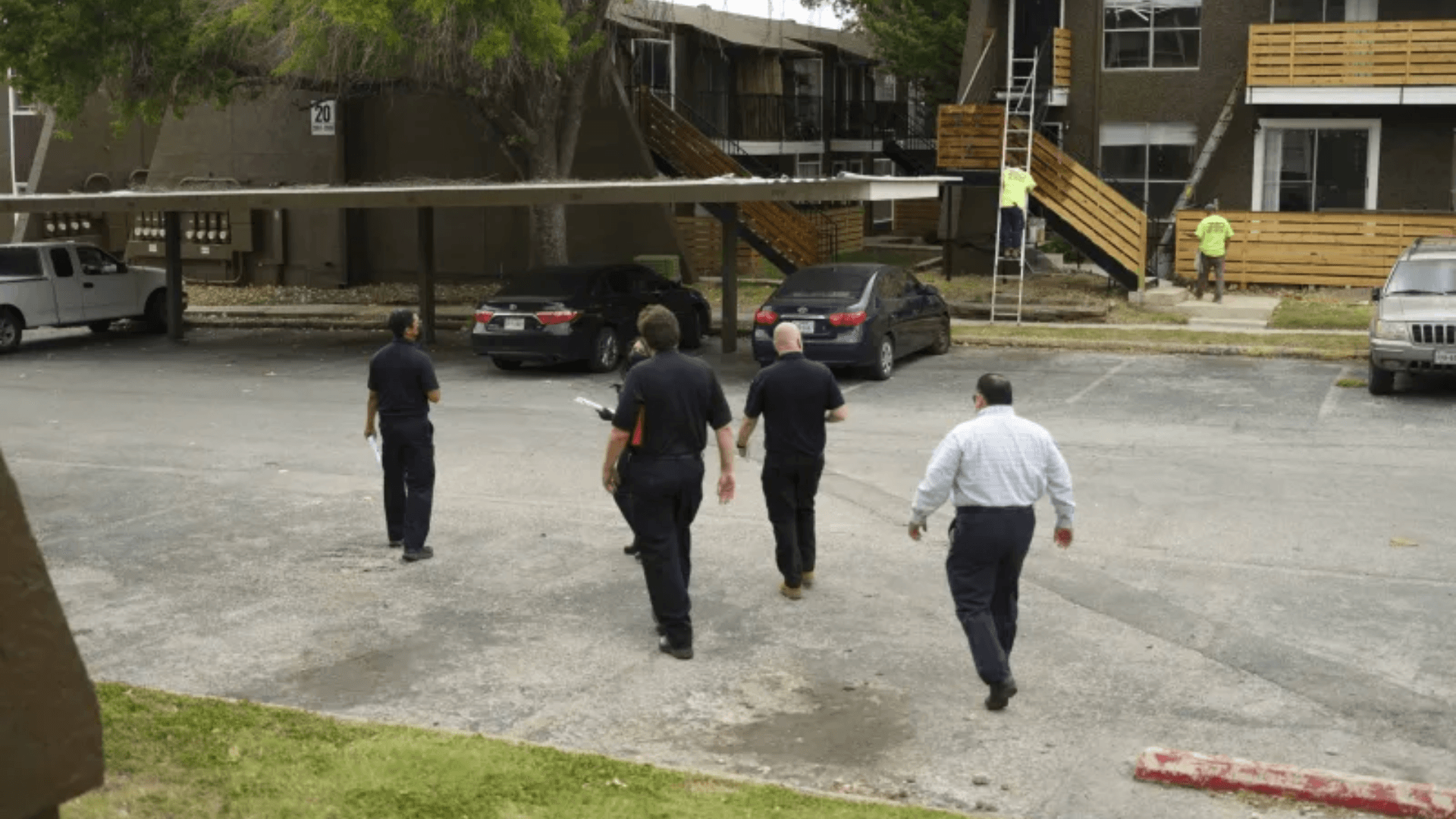
Commercial real estate property inspections are both an art and a science. While having the right forms and understanding rating scales is important, what truly separates exceptional inspectors from mediocre ones is their methodology, preparation, and approach to the inspection process itself.
Before the Inspection: Preparation is Everything
1. Give Adequate Notice and Set Clear Expectations
Provide at minimum two weeks' notice before the inspection date. This allows management to notify tenants for unit access, gives the property team time to pull keys, and enables management to gather requested documents.
2. Pre-Screen and Request Documentation
Before arriving on-site, request key documents and information: current rent roll, recent financial statements, prior inspection reports, and property-specific items.
3. Review Historical Inspection Reports
If available, study prior inspection reports before your visit. Look for previously reported deferred maintenance, rating trends, and recurring issues.
On-Site: The Inspection Process
6. Arrive Early and Drive the Perimeter First
Arrive 15-30 minutes before your scheduled appointment. Use this time to drive or walk the full perimeter of the property, observe from a tenant/visitor perspective, and take exterior photos without feeling rushed.
7. Build Rapport (But Maintain Control)
Begin with friendly conversation, explain your process, and treat the property team with respect. However, you decide which units to inspect, and stay on schedule.
8. Conduct the Management Interview Seriously
Too many inspectors treat the management interview as a box-checking exercise. Don't. Verify tenure, ask follow-up questions, and listen for what's not said.
11. Document Like Your Report Depends on It
Photography protocol: Minimum 15-25 photos for a typical property. Quality over quantity. Include context and caption immediately.
After the Walk-Through
13. Debrief with Management Before Leaving
Before departing, share a high-level summary of your findings with the property contact. This provides professional courtesy and allows management to clarify or provide context.
14. Complete Your Report Promptly
Begin writing your report the same day as the inspection, while observations are fresh. Waiting days or weeks means you'll forget important details.
The Bottom Line
By following these 15 tips and developing your own best practices, you'll provide more valuable insights to your clients, help property owners identify issues before they become critical, and establish yourself as a trusted professional in the commercial real estate inspection field.