Understanding the MBA Property Inspection Rating Scale: A Complete Guide for CRE Professionals
Posted On
January 2, 2026
01/02/2026
Published By
SiteSnapped Team
Read Time
5 min read
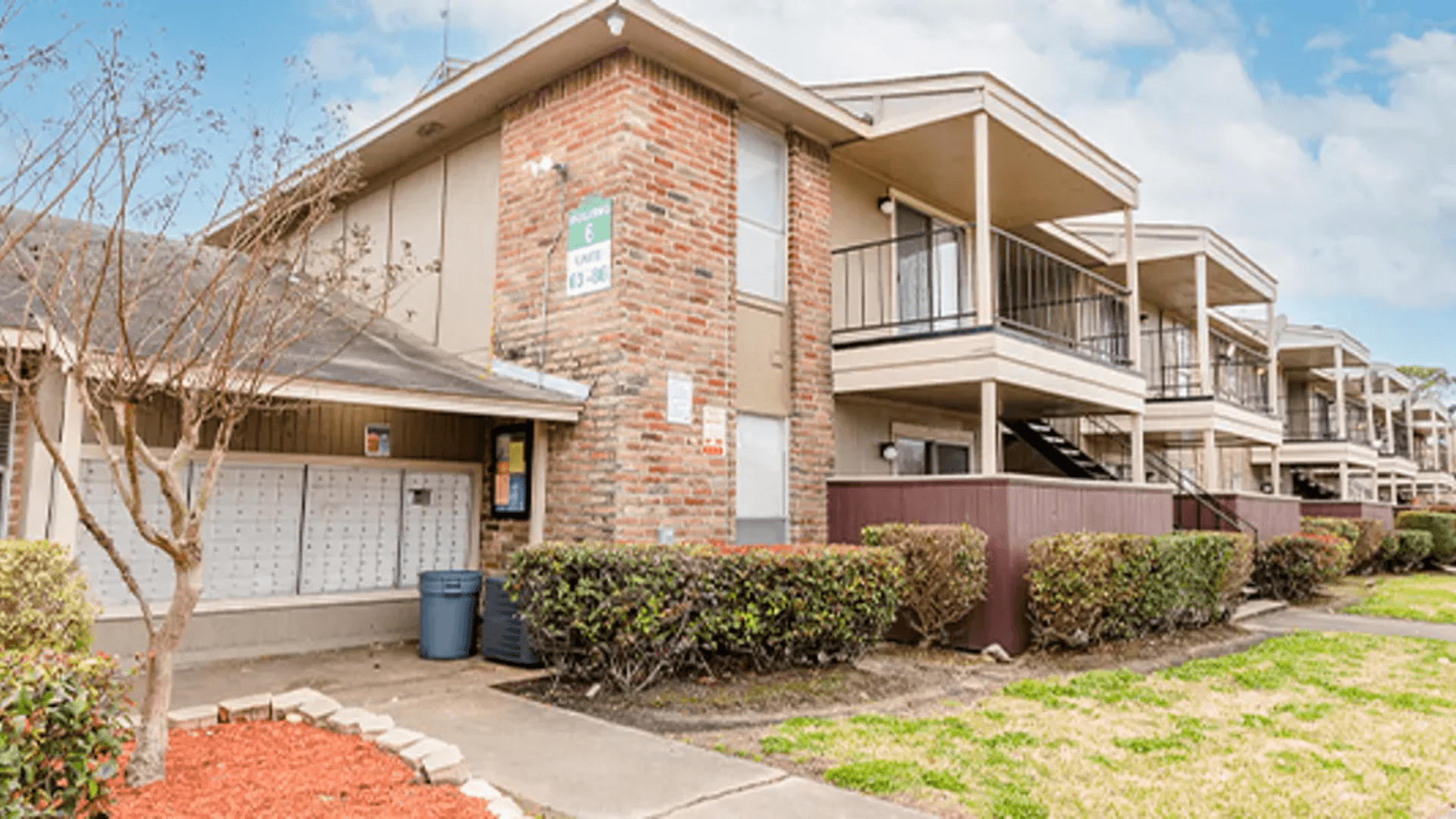
Property inspections are the backbone of sound commercial real estate asset management. Whether you're a servicer, lender, or property manager, understanding how to properly assess and communicate property conditions is essential for protecting investments and making informed decisions. At the heart of this process lies the MBA (Mortgage Bankers Association) Property Inspection Rating Scale—a standardized framework that brings clarity and consistency to property evaluations.
The Evolution of MBA Inspection Ratings
In January 2024, the commercial real estate industry adopted a significant change: the consolidation to a single property rating scale. Previously, inspectors and servicers juggled two different systems—the MBA Ratings Scale and the Fannie Mae Ratings Scale. This often led to confusion and inconsistency in reporting.
Today, the industry uses a unified MBA Ratings Scale (formerly the FNMA Rating Scale), bringing much-needed standardization to property assessments. This change represents years of collaboration between the MBA's Property Inspection Advisory Committee, member organizations, Fannie Mae, and Freddie Mac.
Breaking Down the 1-5 Rating System
The MBA rating scale uses a straightforward 1-5 scoring system, where lower numbers indicate better conditions and higher numbers signal more serious concerns.
Rating 1: No Concerns Observed
What it means: The property is in excellent condition—typically newer construction or recently underwent major rehabilitation with significant investment.
Key characteristics:
- No observed or reported deferred maintenance
- No life safety issues present
- Superior routine maintenance practices extending the useful life of systems
- Major components and systems are like new with a high probability of exceeding the loan term
Rating 2: Some Minor Issues Noted
What it means: The property is in very good to good condition with isolated, relatively minor issues that can typically be addressed in-house.
Key characteristics:
- No or isolated life safety concerns
- Minor deferred maintenance addressable at limited expense
- Proactive maintenance practices ensuring good system performance
- Majority of capital needs being addressed appropriately
Rating 3: Overall Declining Condition or Isolated Deterioration
What it means: The property is in average to fair condition and requires investment to prevent further decline.
Key characteristics:
- Some life safety issues requiring immediate attention (but no major capital expenditure)
- Deferred maintenance of heightened concern, likely not addressed in-house
- Reactive maintenance practices affecting some components
- Additional capital required to maintain asset quality
Rating 4: Substantial Issues Noted
What it means: The property shows deteriorated conditions, with major issues potentially unaddressed since the prior inspection, requiring significant investment.
Rating 5: Severe Deferred Maintenance Observed
What it means: The property is in unacceptable condition with widespread neglect or casualty damage that materially impacts marketability.
Why Consistent Ratings Matter
The standardized MBA rating system serves multiple critical functions in commercial real estate finance:
- Risk Assessment and Early Warning: Consistent ratings help servicers and lenders identify properties that may need additional attention before small issues become major problems.
- Portfolio Management: For organizations managing hundreds or thousands of properties, standardized ratings enable meaningful comparisons across assets, markets, and property types.
- Clear Communication: When everyone speaks the same rating language, communication improves dramatically.
- Regulatory Compliance: Fannie Mae and Freddie Mac require specific inspection protocols and ratings for loans they've purchased or guaranteed.
The Bottom Line
The MBA Property Inspection Rating Scale isn't just a bureaucratic requirement—it's a powerful communication tool that enables better decision-making across the commercial real estate ecosystem. By understanding what each rating means, how to apply them consistently, and how to document your findings properly, you protect your organization's interests while contributing to more transparent, efficient capital markets.